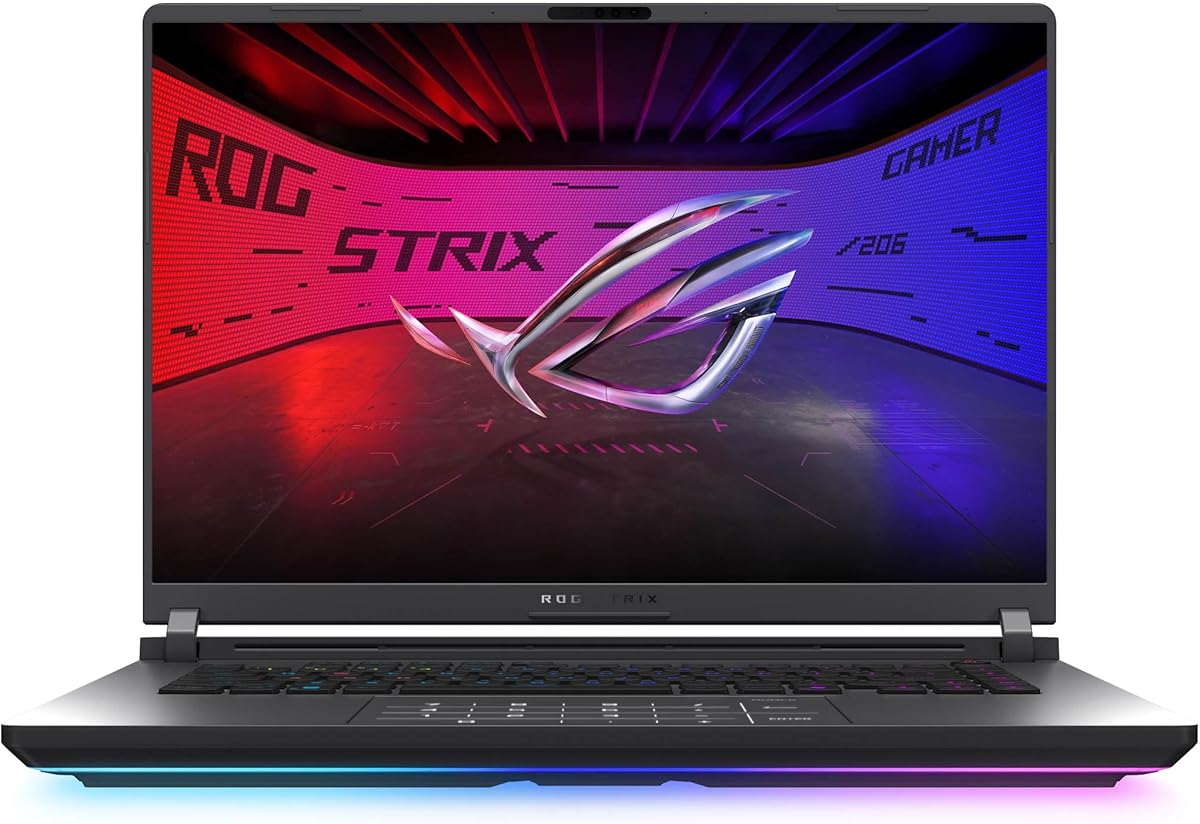
ASUS ROG Strix G16 (2025)
4.3Editor score
Intel Core Ultra 9 Processor 275HX
NVIDIA GeForce RTX 5070 Ti
240Hz ROG Nebula Display
Choosing the right laptop for flight simulators requires balancing powerful hardware with a high refresh rate display. Pilots need seamless graphics and responsive controls to replicate real world aviation dynamics effectively.
We evaluated ten top models focusing on processor speed, GPU capability, and thermal management. Each device was analyzed for its ability to handle complex simulations without lag or overheating during long sessions.
Each pick highlights key strengths and potential trade-offs for different pilot needs. Prices and availability change frequently, so verify current details before purchasing your next flight simulation machine.
4.3Editor score

4.4Editor score

4.2Editor score
As an Amazon Associate we earn from qualifying purchases.
This side by side comparison highlights the core specifications and features of each selected laptop to help you identify the most suitable hardware for your flight simulation setup.




This laptop delivers powerful performance for flight simulations with its latest Intel Core i7 processor and NVIDIA RTX 5060 GPU. It offers a smooth visual experience crucial for realistic cockpit views and navigation.
We may earn a commission when you buy through this link, at no additional cost to you.
The 165Hz display ensures crisp motion handling while advanced cooling keeps system temperatures stable during extended flights. DDR5 memory supports seamless multitasking between simulation software and communication tools.
While the GPU is strong it may not sustain highest settings in very dense scenery regions. The battery also drains faster when running heavy simulation workloads compared to lighter tasks.
Ideal for serious hobbyists wanting a balance of performance and portability. Its reliable hardware makes it a top choice for daily flight simulation training and recreational use.
ROG Intelligent Cooling with vapor chamber and liquid metal keeps the system quiet and cool during intensive sessions.
The 165Hz FHD+ panel with ACR film reduces glare for clearer viewing in bright environments.
We may earn a commission when you buy through this link, at no additional cost to you.
This premium model features the powerful RTX 5070 Ti and Intel Core Ultra 9 for flawless high fidelity flight simulation. The 240Hz Nebula display offers unmatched clarity for detailed cockpit instruments.
We may earn a commission when you buy through this link, at no additional cost to you.
Thirty two GB of DDR5 RAM handles complex scenarios and multiple apps without slowdown. The cooling system maintains peak performance even under heavy graphical loads for hours.
Its high price and weight may not suit casual users or those needing portability. The GPU is overkill for basic sims but essential for ultra realistic environments.
Perfect for enthusiasts seeking the absolute best visual fidelity and responsiveness. It delivers a professional grade simulation experience that justifies the investment for dedicated pilots.
NVIDIA Blackwell architecture with DLSS 4 ensures ultra high frame rates and realistic lighting effects.
ROG Nebula 2.5K 240Hz screen provides exceptional detail and minimal motion blur.
We may earn a commission when you buy through this link, at no additional cost to you.
This budget friendly laptop provides solid core specs with 32GB RAM and a large 17.3 inch display suitable for basic flight sims. It handles less demanding software with ease.
We may earn a commission when you buy through this link, at no additional cost to you.
The Ryzen 5 processor and ample memory allow multitasking between navigation and comms tools. The SSD ensures quick boot times and smooth loading of scenery files.
Integrated graphics are the main limitation for high fidelity rendering or complex weather effects. Build quality is functional but not as robust as premium gaming laptops.
Ideal for beginners or students needing a capable machine without a high price tag. It serves well for learning fundamentals before upgrading to dedicated GPU systems.
Thirty two GB DDR5 RAM ensures fluid performance even with many tabs open.
The spacious 17.3 inch display helps view multiple panels simultaneously.
We may earn a commission when you buy through this link, at no additional cost to you.
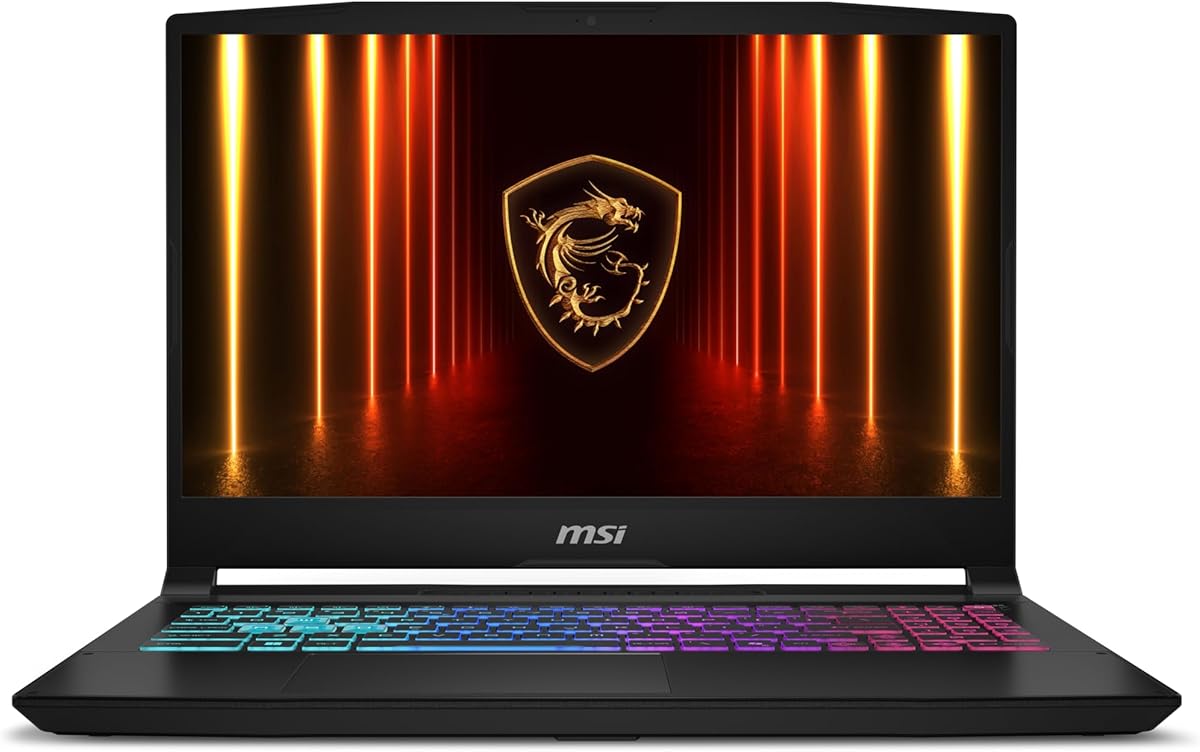
The Katana 15 HX offers elite gaming hardware with an Intel Core i9 and RTX 5070 for demanding flight simulation scenarios. It delivers high FPS and smooth multitasking.
We may earn a commission when you buy through this link, at no additional cost to you.
QHD+ display enhances detail visibility while Cooler Boost 5 maintains thermal stability during long flights. Thirty two GB DDR5 supports complex simulations and background apps.
Fan noise can be noticeable under heavy load which may affect immersion. Battery life is moderate and not ideal for unplugged training sessions.
Recommended for users prioritizing raw performance over portability. It is a strong contender for high fidelity simulation at a competitive price point.
The 24 core hybrid architecture ensures fast load times and high frame rates.
Dual fans with 5 heat pipes keep components cool for sustained gaming.
We may earn a commission when you buy through this link, at no additional cost to you.
This flight simulator software offers a modern interface and includes an Interlink DX controller for realistic RC flying. It supports VR headsets and online multiplayer features.
We may earn a commission when you buy through this link, at no additional cost to you.
The software includes many popular aircraft models and new fields released quarterly. Its design eliminates the need for keyboard use making control very natural.
It is specialized for radio controlled models rather than full scale aviation training. The controller is not compatible with standard flight simulators like FSX or X Plane.
Perfect for hobbyists wanting to master RC aircraft before real flights. It provides a safe low cost way to develop reflexes and understanding of aerodynamics.
The included Interlink DX controller allows intuitive control without a mouse or keyboard.
Quarterly releases of new models and fields keep the software fresh.
We may earn a commission when you buy through this link, at no additional cost to you.
This professional yoke system builds muscle memory for new pilots with realistic smooth controls. It includes a stainless steel shaft and throttle quadrant for accurate virtual aircraft management.
We may earn a commission when you buy through this link, at no additional cost to you.
With 54 programmable controls and a mode switch you have most aircraft functions under fingertips. The desk clamps provide secure mounting flexibility for various setups.
It requires separate software download for full integration with major simulators. The size may be too large for small workspaces.
Ideal for serious pilots needing authentic hardware training. It enhances immersion and skill transfer to real world aviation effectively.
Stainless steel shaft ensures robust smooth and accurate control.
POV hat and 14 buttons offer extensive customization options.
We may earn a commission when you buy through this link, at no additional cost to you.
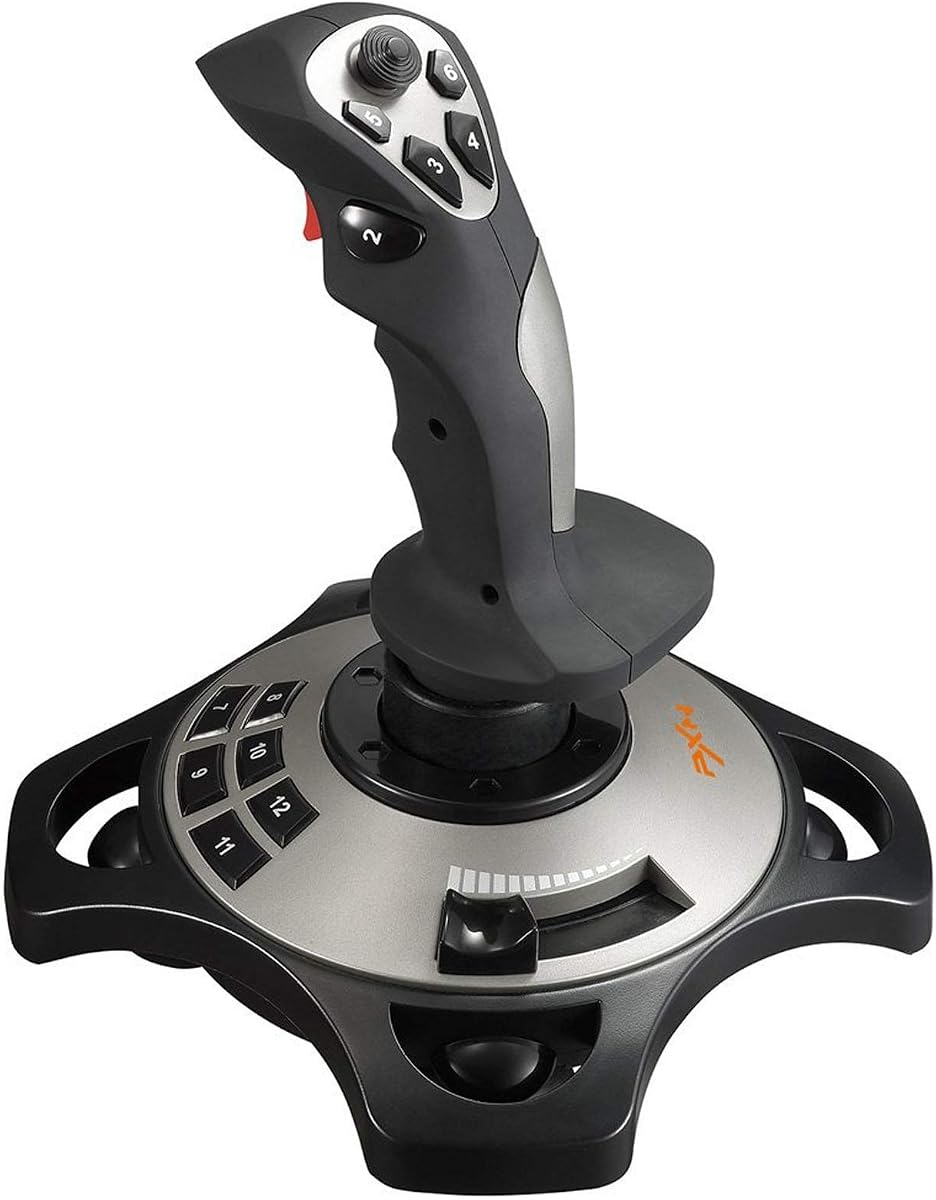
This ergonomic USB joystick offers instant plug and play setup with adjustable resistance for precise control. It combines throttle and rudder twist in one device saving desk space.
We may earn a commission when you buy through this link, at no additional cost to you.
The weighted base ensures stability during critical maneuvers and twelve buttons allow customizable presets. It works well for flight sims and combat scenarios.
Build quality is solid but lacks advanced features like force feedback. It may wear faster under intense daily use.
Great for beginners or those wanting a compact affordable controller. It provides a complete control system without breaking the bank.
Instant plug and play setup allows immediate flying without driver headaches.
Integrated throttle lever and rotating handle provide a complete control system.
We may earn a commission when you buy through this link, at no additional cost to you.
This affordable joystick offers vibration feedback and a comfortable grip for various PC flight games. It supports many popular titles and features 12 programmable buttons.
We may earn a commission when you buy through this link, at no additional cost to you.
The ergonomic design helps hold the device for long sessions and driver installation is simple. Suction cups stabilize the base on smooth surfaces.
Vibration strength must be manually adjusted to feel impactful. It is not compatible with all gaming platforms or force feedback games.
Suitable for casual users seeking a basic controller on a budget. It provides decent performance for entry level simulation.
Vibration function is available but requires driver adjustment to feel effective.
Four axis controlling and 12 buttons allow detailed mapping.
We may earn a commission when you buy through this link, at no additional cost to you.
These precision pedals enhance realism with long range travel and self centering for accurate turns. The S.M.A.R.T rail system ensures smooth motion during coordinated flight.
We may earn a commission when you buy through this link, at no additional cost to you.
Designed for comfort and stability they maintain control during extended sessions. Compatible with PS5 Xbox and PC for wide access.
Tension adjustment is minimal and build relies on plastic which may feel less premium. Still effective for core flight sim needs.
Great for pilots wanting to add foot controls without high cost. They provide a stable and responsive experience for realistic aviation control.
Four aluminum rails deliver friction free motion and enhanced rigidity.
Self centering axis ensures consistent re-centering for authentic flight.
We may earn a commission when you buy through this link, at no additional cost to you.
This classic simulator features dynamic weather and worldwide scenery with accurate terrain for realistic flights. It offers improved interactive ATC and multi window support.
We may earn a commission when you buy through this link, at no additional cost to you.
The 3D graphics acceleration allows multiple windows across monitors. LAN and Internet multiplayer support connects users for shared flights.
Graphics are dated compared to modern titles but the physics remain respected. Some systems may need patches for compatibility.
Perfect for enthusiasts appreciating classic sim mechanics. It provides a solid foundation for understanding flight physics and navigation.
Dynamic weather based on atmospheric physics creates realistic cloud behavior.
Enhanced interactive air traffic control adds realism to flight operations.
We may earn a commission when you buy through this link, at no additional cost to you.
Selecting the right laptop involves balancing performance with display quality and cooling efficiency. Understanding key factors helps you avoid bottlenecks and ensure realistic flight dynamics.
Flight simulators rely heavily on CPU power for physics calculations and AI traffic. Choose a recent multi core processor like Intel Core i7 or i9 or AMD Ryzen to handle complex scenes smoothly.
Prioritize HX or H series chips for sustained performance without throttling.
A dedicated GPU ensures high frame rates and realistic textures. NVIDIA RTX cards with Ray Tracing support provide detailed lighting and weather effects crucial for immersion.
Look for at least an RTX 4060 or 5060 for comfortable settings on high resolution displays.
Flight simulators often use large amounts of memory for scenery and background apps. Sixteen gigabytes is minimum but 32GB allows seamless multitasking with comms and navigation software.
Ensure the RAM is upgradable to future proof your system for larger datasets.
A high refresh rate reduces motion blur and makes cockpit movements appear natural. Aim for 120Hz or higher for a responsive experience during rapid maneuvers or turbulence.
Also consider resolution and color accuracy for detailed instrument reading.
Extended simulation sessions generate significant heat. Look for laptops with advanced cooling systems like vapor chambers or multiple fans to maintain performance under load.
Efficient cooling prevents thermal throttling and extends the hardware lifespan.
Fast NVMe SSDs reduce load times for maps and aircraft models. Ensure at least 1TB of space to store multiple sim files and expansions without external drives.
Upgradability is useful for expanding storage as your library grows.
Connectivity for yokes pedals and controllers requires ample USB ports. Check for HDMI or DisplayPort to connect secondary monitors for instrument panels.
Wi-Fi 7 or 6E ensures stable internet for multiplayer or online training.
Durable chassis materials protect the laptop during travel. Consider weight if you need to move the setup frequently for events or shared workspaces.
Quality construction also contributes to better heat dissipation and longevity.
Always connect your laptop to a stable power source during simulation to avoid battery drain affecting performance. Use a cooling pad to help airflow if ambient temperatures are high.
Keep drivers for your GPU and peripheral devices updated regularly. This ensures compatibility with the latest simulator patches and optimizes hardware efficiency.
Clean vents and fans with compressed air every few months to prevent dust buildup. Proper maintenance extends the life of your laptop and preserves its high performance.
You need a modern multi core CPU like Intel i7 or AMD Ryzen 7. A dedicated GPU such as RTX 4060 or higher is essential. Sixteen GB RAM minimum with 32GB recommended.
Gaming laptops offer better GPUs and cooling which are vital for sims. Regular laptops may struggle with complex scenery or long sessions. Prioritize thermal performance.
High refresh rates like 120Hz or 144Hz reduce motion blur and increase immersion. They help visualize fast maneuvers more clearly. Aim for high refresh for smoother visuals.
Yes laptops with multiple USB ports support joysticks yokes and pedals. Check for HDMI for second monitors. Ensure enough ports or use a hub for peripherals.
Most sims run offline but multiplayer or online maps need internet. Some features like live weather require connectivity. A stable connection improves realism.
Keep vents clean avoid using on soft surfaces and update drivers regularly. Use a cooling pad to reduce heat. Avoid running max settings constantly.
Microsoft Flight Simulator is beginner friendly with tutorials and easy controls. X Plane offers deep customization. Start with simpler options before moving to complex ones.
MacBooks have limited flight sim options compared to Windows. Most sims are optimized for Windows due to GPU availability. Check compatibility before buying.
The top picks offer distinct strengths from the balanced ASUS ROG Strix G16 to the powerful MSI Katana and budget friendly NIMO. Each model meets different needs based on performance and cost.
Focus on GPU and thermal management for the smoothest experience. A high refresh display enhances realism significantly. Choose RAM capacity that supports your multitasking needs.
Prices and stock change frequently so verify current offers before purchasing. Investing in the right hardware ensures years of enjoyable and realistic flight simulation training.