
WWZMDiB 6 Pcs 5MM LDR
4.4Editor score
LM393 voltage comparator included
Adjustable detection threshold potentiometer
Digital and analog output options
This guide compares the top light sensor for Arduino options including LDR modules and digital sensors for precise ambient light detection in your projects.
Choosing the right light sensor for Arduino can transform your DIY projects from simple ideas into smart automated systems. Whether you need basic threshold detection or precise illumination measurement, understanding the differences between modules helps you select the perfect component for your specific application needs.
We evaluated ten highly rated light sensor modules based on accuracy, ease of integration, and versatility across platforms like ESP32 and Raspberry Pi. Our comparison covers photoresistors, digital photodiodes, and ambient light sensors to ensure you find the most reliable solution for your electronics hobby or professional prototype development work.
Each pick highlights key specifications and ideal use cases so you can decide quickly without getting lost in technical jargon. Keep in mind that prices and availability fluctuate frequently on Amazon so verify current listings before finalizing your purchase to ensure you get the best value for your budget today.
4.4Editor score

4.5Editor score
5.0Editor score
This side-by-side comparison helps you quickly identify which light sensor module matches your project requirements by highlighting key specifications and unique features for each option available on the market today.


The WWZMDiB 6 Pcs 5MM LDR module offers an entry point for hobbyists wanting automatic light detection without breaking the bank. This kit includes six individual sensors each equipped with an LM393 comparator to deliver clean digital signals alongside optional analog outputs for versatile circuit design.
We may earn a commission when you buy through this link, at no additional cost to you.
Its standout feature is the adjustable potentiometer which lets you fine-tune the brightness threshold for triggering actions. This flexibility is vital for projects like night lights or solar trackers where exact sensitivity levels matter more than raw measurement precision.
While the LDR technology responds slightly slower than modern digital photodiodes the included comparator ensures stable switching. This trade-off is acceptable for most automation tasks where immediate reaction to light changes is less critical than reliable threshold triggering.
Buy this pack if you need multiple sensors for batch prototyping or classroom use. The compact 3.3-5V compatibility ensures it works seamlessly with ESP32 boards Arduino Uno or Raspberry Pi GPIO pins without voltage regulators.
The module provides both Digital DO and Analog AO outputs allowing you to choose between binary switching or continuous light intensity readings based on your project needs.
The onboard potentiometer simplifies calibration so you can adjust sensitivity without writing complex code or adding external resistors to your circuit.
We may earn a commission when you buy through this link, at no additional cost to you.
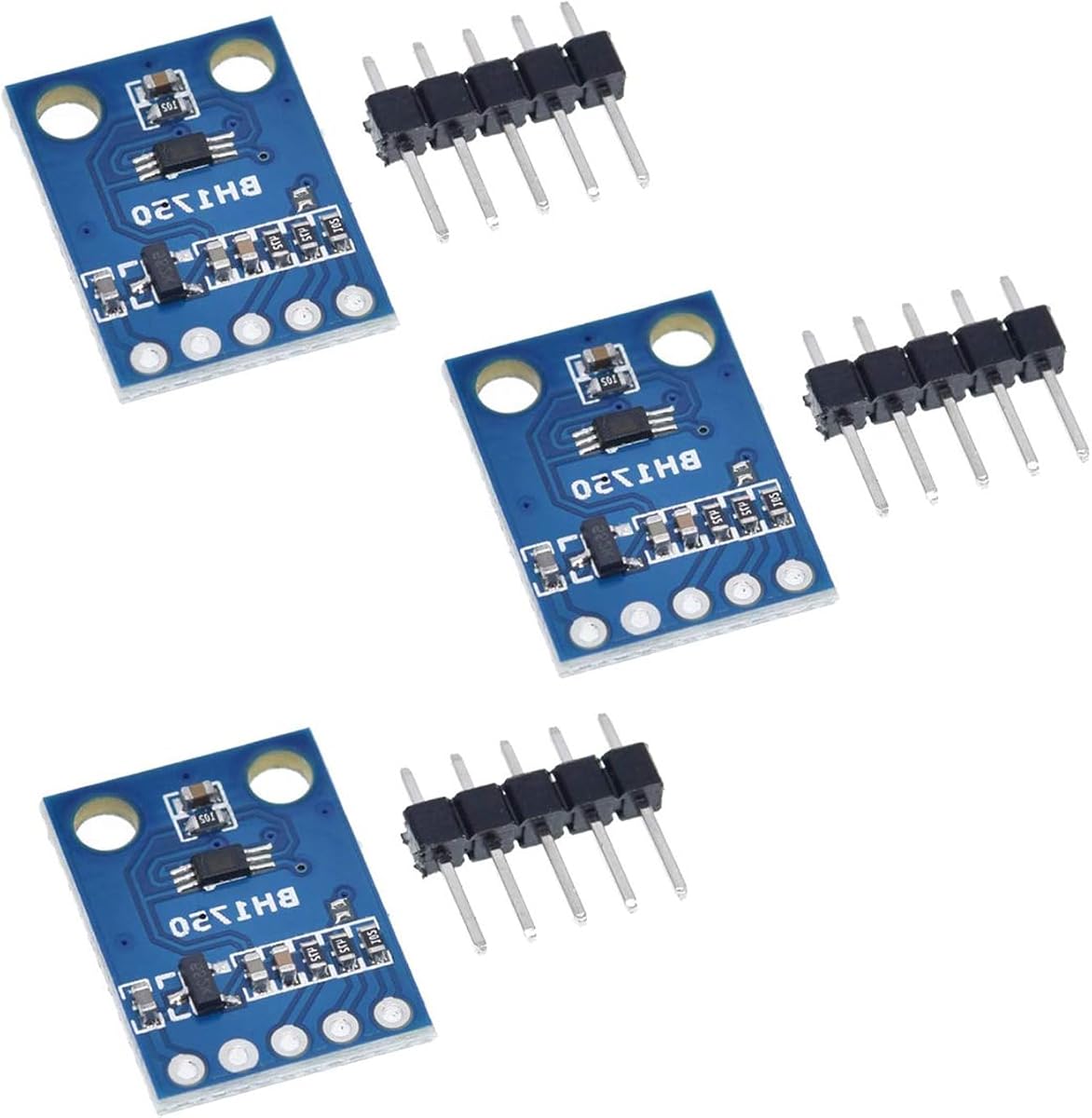
The HiLetgo 3pcs GY-302 BH1750 module stands out as a top choice for developers needing accurate ambient light data. Each unit features the original BH1750FVI chip from ROHM ensuring reliable readings that translate light intensity into digital values directly readable by your microcontroller.
We may earn a commission when you buy through this link, at no additional cost to you.
Its compact dimensions of 13.9mm by 18.5mm make it ideal for embedded projects where board real estate is limited. The wide 3-5V power range means you can connect it to 3.3V boards like ESP8266 or 5V boards like standard Arduino without voltage converters.
While the I2C interface simplifies data transfer it does require two GPIO pins and pull-up resistors which might complicate simple wiring setups. However the precision gained through digital communication outweighs this minor setup complexity for most serious applications.
Choose this module if you require consistent light measurements for climate control displays or automated window shading. The three-pack ensures you have spares for multiple prototypes without worrying about component scarcity or inconsistent batch performance.
Unlike analog sensors this module outputs calibrated digital values reducing noise interference and eliminating the need for ADC calibration in your software.
The small PCB footprint allows easy mounting on custom carrier boards or directly into compact enclosures without protruding sensors.
We may earn a commission when you buy through this link, at no additional cost to you.
The 3-Pack GY-302 BH1750 module provides a reliable solution for projects demanding precise ambient light monitoring. Built with the BH1750FVI chip this sensor converts light intensity directly into digital data ensuring accuracy across different lighting conditions without external analog components.
We may earn a commission when you buy through this link, at no additional cost to you.
Its compact size facilitates easy integration into wearable tech or space-constrained enclosures. The module operates efficiently within a 3-5V range making it compatible with most modern microcontrollers including ESP32 and Raspberry Pi Zero without additional voltage regulators.
Users appreciate the high quality and consistent performance across the pack which reduces calibration headaches. While the price is higher than basic photoresistors the digital precision and stability justify the cost for professional or critical automation applications.
Opt for this pack when you need to deploy sensors across multiple devices or want backup units for field testing. The robust design ensures long-term reliability even in environments with fluctuating temperatures or humidity levels.
The high quality chip ensures consistent output over time reducing drift and minimizing the need for frequent recalibration during operation.
Support for both 3.3V and 5V systems allows seamless integration into diverse project ecosystems without requiring power conversion hardware.
We may earn a commission when you buy through this link, at no additional cost to you.
The Photodiode Sensor Module stands out for its directional sensing capability which detects light coming from directly in front of the sensor. This feature makes it perfect for applications like light seeking robots or specific source detection where ambient noise could interfere with accuracy.
We may earn a commission when you buy through this link, at no additional cost to you.
Included in a pack of ten this module offers excellent value for large scale projects or team workshops. The adjustable blue digital potentiometer allows fine tuning of sensitivity ensuring reliable triggers without false positives from stray ambient light sources.
While the directional nature limits its use for general ambient monitoring it excels in targeted detection scenarios. The clear distinction between digital and analog outputs gives developers flexibility in how they process data depending on the application requirements.
Select this module for projects requiring precise light source identification or robotic navigation. The 10PC quantity ensures you can experiment freely without worrying about running out of components during iterative prototyping sessions.
The directional design filters out ambient interference focusing only on light sources directly in front for accurate source tracking.
Both digital and analog outputs allow you to choose between simple on-off control or detailed intensity analysis depending on your code needs.
We may earn a commission when you buy through this link, at no additional cost to you.
The EBOOT 30 Pieces Photoresistor pack offers incredible value for builders who need multiple components for various experiments. These 5mm GM5539 resistors feature a standard format that fits easily into breadboards and soldered circuits for rapid prototyping and testing.
We may earn a commission when you buy through this link, at no additional cost to you.
With a maximum voltage tolerance of 150 Volts DC these components can handle higher voltage scenarios than typical low voltage sensors. This durability makes them suitable for industrial prototypes where power fluctuations might occur unexpectedly during testing.
Unlike module-based sensors these bare resistors require external circuitry like voltage dividers or comparators to interface with microcontrollers. While this adds complexity it provides full control over circuit design for engineers who need specific customization.
Choose this pack for mass prototyping educational workshops or DIY kits where cost per unit matters most. The high quality materials ensure consistent performance across all thirty pieces reducing variance in sensor readings during group experiments.
The 150V maximum rating allows use in higher voltage testing environments where standard low voltage components might fail or degrade.
Standard 5mm leads fit all standard breadboards and PCB footprints making them easy to integrate into any circuit design.
We may earn a commission when you buy through this link, at no additional cost to you.
The Teyleten Robot 5MM LDR module simplifies light detection with its onboard LM393 comparator providing reliable digital signals directly to your microcontroller. This 10-pack gives you ample units for distributed lighting control projects without worrying about component shortages or inconsistent quality.
We may earn a commission when you buy through this link, at no additional cost to you.
Its primary strength lies in the adjustable threshold which lets you define exact light levels for triggering events. This eliminates the need for software threshold tuning making hardware calibration intuitive and accessible even for beginners.
While the analog output exists it is less precise than digital module sensors so it works best for simple on-off tasks. The robust design ensures stable performance over time reducing noise that often affects raw photoresistor circuits.
Purchase this for automated lighting systems or alarm triggers where digital reliability is paramount. The 10PC count supports multi-room setups or redundant sensors ensuring your project remains functional even if one unit fails.
The built-in comparator provides a clean digital signal that eliminates noise interference common in raw analog sensor readings.
Physical adjustment via potentiometer reduces software dependencies allowing quick tweaks during prototyping without code changes.
We may earn a commission when you buy through this link, at no additional cost to you.
The Digital Light Sensor 4 Pieces kit caters to users across Arduino ESP32 and Raspberry Pi platforms with consistent compatibility. Each module includes an adjustable threshold potentiometer enabling precise control over when digital outputs switch between HIGH and LOW states.
We may earn a commission when you buy through this link, at no additional cost to you.
Its 3.3-5V supply range makes it versatile for both low power IoT devices and standard 5V logic systems. This adaptability ensures it fits into diverse project ecosystems without requiring additional voltage regulation circuitry or complex wiring.
Tutorials provided with the kit streamline integration saving time for beginners who might struggle with sensor wiring. The small form factor allows mounting in tight spaces while maintaining reliable performance under varying lighting conditions.
Select this pack for smart home prototyping or classroom learning where multi-platform support is crucial. The four-piece limit encourages focused testing but offers enough units for small-scale deployments or proof-of-concept builds.
Support for ESP32 Raspberry Pi and Arduino ensures you can use the same sensor across different project architectures seamlessly.
Included tutorials provide step-by-step wiring and code examples reducing the learning curve for new electronics enthusiasts.
We may earn a commission when you buy through this link, at no additional cost to you.
The 50pcs LDR Photoresistor pack delivers an unbeatable value for large projects requiring numerous light sensing elements. These GL5516 resistors feature a broad resistance range from 5-10KOhm in bright light to 0.2MOhm in darkness providing robust signal variation.
We may earn a commission when you buy through this link, at no additional cost to you.
Its high rating reflects consistent quality and reliability across the fifty components which reduces variance in multi-unit builds. This consistency is critical for industrial applications where uniform sensor behavior ensures predictable system performance.
While these are bare resistors requiring external circuits the sheer volume allows for extensive experimentation and redundancy. The high user satisfaction score indicates low failure rates making it a safe choice for critical deployments.
Opt for this pack for solar tracking arrays or educational kits where budget and quantity are priority. The wide resistance range ensures accurate readings across different lighting environments without calibration adjustments.
Uniform resistance values across the pack ensure reliable performance in multi-sensor arrays without individual calibration.
With fifty units this set offers the best price per component available for bulk prototyping or large scale testing.
We may earn a commission when you buy through this link, at no additional cost to you.
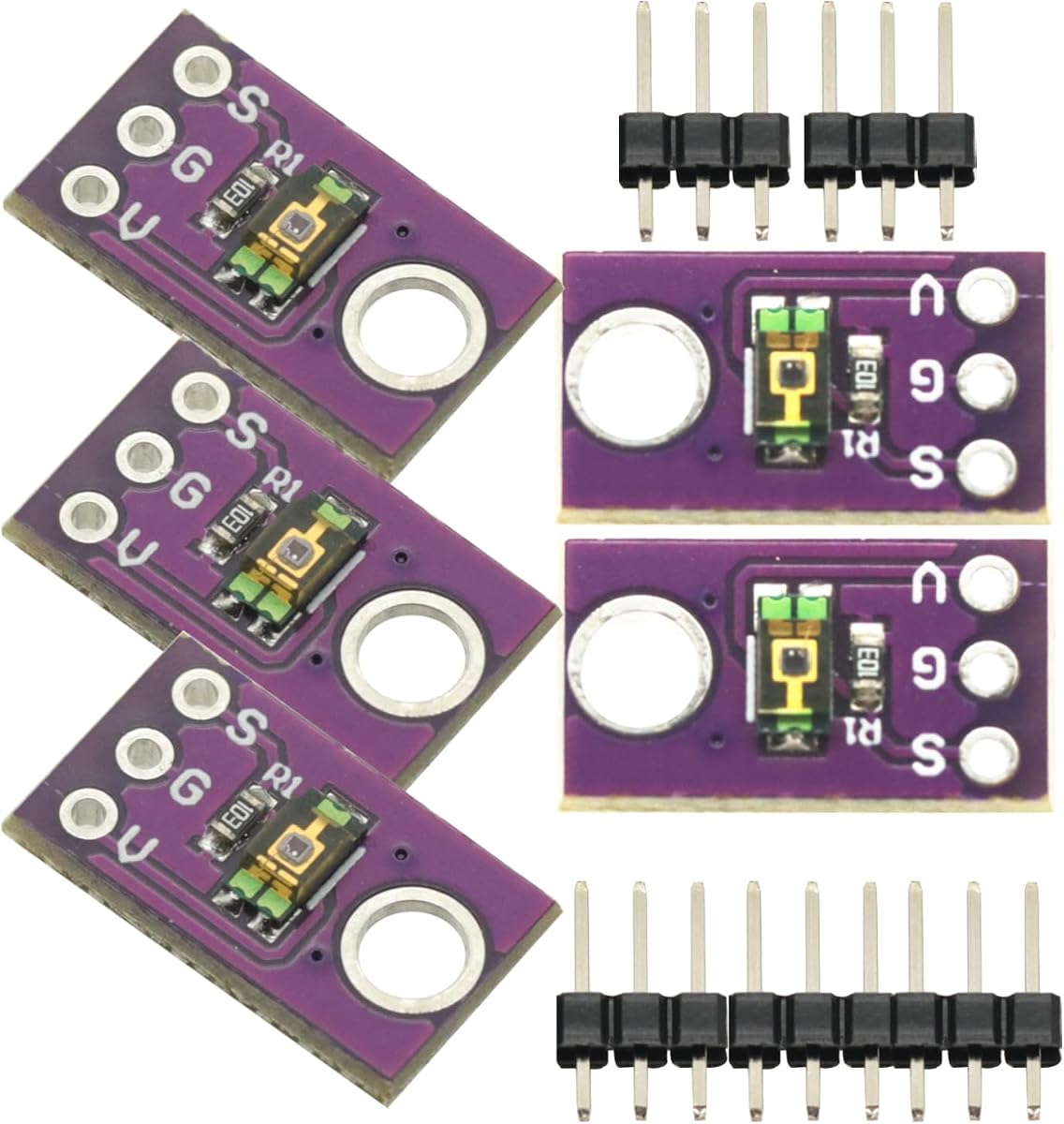
The 5PCS TEMT6000 Light Sensor is a premium choice for industrial lighting control and display backlight dimming applications. Its professional grade precision ensures accurate ambient light detection that maintains consistent brightness levels across varying environmental conditions.
We may earn a commission when you buy through this link, at no additional cost to you.
This module is specifically optimized for sensitive electronic tasks where stability and low noise are non-negotiable. The perfect five star rating reflects high reliability and performance satisfaction among developers using it for critical consumer electronics prototypes.
While specialized for display dimming its precision benefits any project requiring accurate ambient data. The higher cost is justified by the industrial quality components and strict manufacturing standards ensuring long-term durability.
Buy this for premium electronics where reliability is paramount like public displays or professional signage. The industrial control focus means it outperforms standard hobby modules in demanding or variable lighting conditions.
Manufactured to strict standards this module delivers consistent performance in demanding environments where standard hobby sensors might fail.
Specifically tuned for display backlighting to ensure smooth dimming curves without flicker or latency during brightness adjustment.
We may earn a commission when you buy through this link, at no additional cost to you.
The uxcell Photosensitive Diode Sensor module utilizes a wide voltage LM393 comparator to deliver stable light intensity detection for smart car or robotics projects. This module offers both digital and analog outputs allowing you to switch between simple triggers and detailed measurements easily.
We may earn a commission when you buy through this link, at no additional cost to you.
Its 3.3V-5V compatibility ensures it works seamlessly with most microcontroller boards without extra voltage regulators. The 3-pack provides a convenient small batch for testing multiple points or building a basic sensor array without committing to bulk quantities.
The robust comparator chip ensures minimal signal drift even under temperature fluctuations common in automotive or outdoor applications. This stability makes it a solid choice for projects where environmental reliability is a priority.
Choose this for smart car prototypes or automated window openers where light intensity tracking is essential. The balanced design ensures reliable performance while remaining affordable enough for frequent testing iterations.
The LM393 comparator ensures consistent signal quality across a broad voltage range reducing noise during power fluctuations.
Access to both analog and digital outputs lets you tailor the sensor to different project requirements without hardware changes.
We may earn a commission when you buy through this link, at no additional cost to you.
Selecting the right light sensor depends on your specific project needs balancing cost precision and ease of use to ensure reliable performance.
Different sensors offer varying levels of precision from basic LDRs to digital photodiodes and professional ambient sensors. If your project requires exact measurements choose digital modules like the BH1750 while simple on-off triggers work best with comparator based LDRs.
Prioritize digital sensors for calibrated data needs and analog modules for cost sensitive threshold detection.
Ensure the sensor module operates within your microcontroller's voltage range typically 3.3V to 5V. Modules requiring separate voltage regulators increase complexity and risk of wiring errors during prototyping phases.
Select modules explicitly supporting 3.3V-5V to simplify power connections across different platforms.
Some modules offer only digital outputs while others provide both analog and digital signals for flexibility. Digital outputs simplify code but analog outputs allow for detailed light intensity monitoring and custom thresholds.
Choose based on whether you need binary triggers or continuous intensity readings for your application.
Compact modules are essential for wearable or tight space projects while larger boards may offer better heat dissipation or mounting options. Check dimensions to ensure fit within your enclosure or breadboard layout.
Measure your available space before selecting a module to avoid mechanical integration issues later.
Buying in bulk often reduces the cost per unit and ensures you have spares for future projects or replacements. However assess how many units you truly need to avoid excess inventory clutter.
Buy packs of 5 to 30 for team use or single units for one-off prototypes.
Look for adjustable potentiometers which allow hardware calibration without software changes. Some modules include built-in voltage regulators or mounting holes for easier installation in final products.
Prioritize modules with adjustable thresholds for projects requiring frequent sensitivity tuning during development.
Verify that the sensor library is compatible with your chosen platform such as Arduino ESP32 or Raspberry Pi. Universal modules reduce development time and community support availability.
Check documentation to ensure existing libraries are available for your specific microcontroller.
Industrial or outdoor projects require sensors with higher durability against temperature changes and humidity. Professional grade modules often offer better stability than standard hobby parts.
Choose industrial rated components for permanent installations exposed to harsh conditions.
Connect the sensor module to your microcontroller ensuring the voltage levels match the specifications on the datasheet. Secure the wiring with heat shrink tubing or connectors to prevent loose contacts during prototype testing.
Calibrate the sensor using the onboard potentiometer if available adjusting it until the desired brightness threshold triggers the output signal. Test under varying light conditions to ensure consistent performance before finalizing code.
Store unused modules in a dry anti-static container to protect sensitive components from moisture and electrostatic discharge. Avoid exposing the sensor lens to direct physical impact or excessive heat during operation.
An LDR or photoresistor changes resistance based on light intensity and requires external circuitry for reading. A photodiode module includes integrated processing and often provides digital output making it more accurate and easier to interface with microcontrollers.
Modules with built-in comparators like LM393 units do not require external resistors for basic operation. However bare photoresistors need a voltage divider circuit which includes a fixed resistor to read values correctly.
Most modern modules support both 3.3V and 5V logic levels allowing direct connection to ESP32 or Raspberry Pi Zero without additional voltage regulators.
Unstable digital output often results from loose wiring or incorrect threshold settings. Adjust the potentiometer to ensure clean switching and secure all connections to reduce signal noise.
Digital modules like the BH1750 provide stable data for automation systems requiring precise light measurements over time. They are reliable for triggering curtains or lights based on ambient conditions.
Use a clear protective casing or epoxy coating to shield the sensor lens from dust and impact. Mount the module securely to prevent stress on solder joints during movement or vibration.
This guide covered ten top options ranging from budget LDR modules to premium industrial sensors ensuring you find the right tool for your project. The HiLetgo BH1750 leads as our top choice for precision while the WWZMDiB pack offers the best value for bulk builds.
Prioritize digital sensors if you need exact measurements or long-term stability for commercial projects. For simple automation or educational tasks the comparator based LDR modules provide sufficient functionality at a lower cost.
Remember that prices and availability can change quickly on Amazon so verify current stock and pricing before purchasing to ensure you get the best deal for your light sensor needs today.